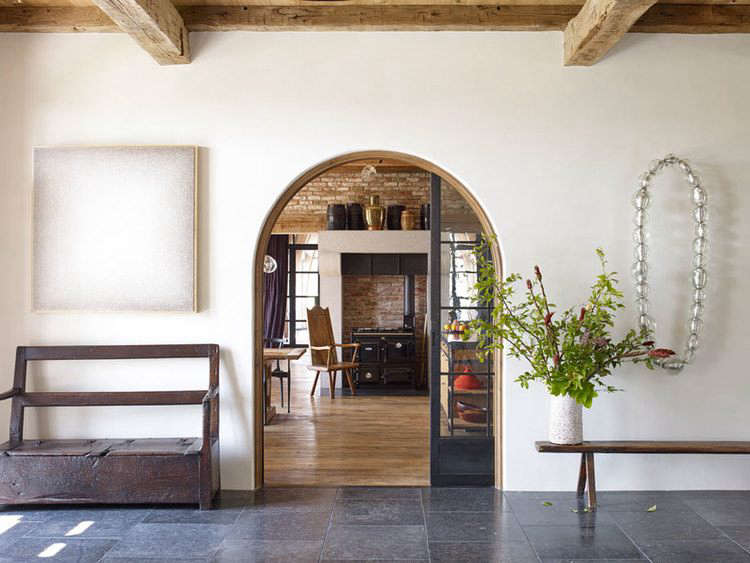
Some interior designers “do a look.” Hamilton Design Associates does something trickier: they do youyour art, your history, your odd obsession
with a certain shade of green, and even that inherited chair you swear is “staying” (whether it wants to or not). Led by New York City designer
Ellen Hamilton, the firm is known for richly layered homes that feel collected over time, not dropped off by a truck labeled
“One-Size-Fits-All Aesthetic.”
If you’ve ever walked into a space and felt like it had a point of viewwarm, personal, a little daring, and somehow still livablethis is that.
Hamilton Design Associates sits comfortably in the overlap of decorative arts, serious connoisseurship, and modern family life. Translation:
antiques can be welcome, color can be brave, and the room can still function on a Tuesday.
Who Is Hamilton Design Associates?
Hamilton Design Associates is a New York City–based interior design studio led by Ellen Hamilton, a designer widely profiled for creating
narrative-driven interiorsspaces that tell a story through art, objects, architecture, and color. The firm’s work spans city apartments,
country retreats, and coastal homes, often weaving together historic references and contemporary needs without making the result feel like a museum
(or, worse, a showroom).
That “narrative decorator” label isn’t marketing fluff. The studio’s public interviews and project write-ups consistently describe a process rooted
in research, editing, and translation: understanding the client’s life and taste, then shaping a home that feels specific to them and the property.
It’s less “copy/paste trend” and more “bespoke composition.”
The Signature: Decorative Arts Meets Real Life
The fastest way to spot the Hamilton Design Associates approach is to notice what isn’t happening. You won’t see a rigid “signature style”
imposed on every project. Instead, you’ll see range: expressive color in one home, quiet restraint in another, and a consistent commitment to
thoughtful layeringart, antiques, books, textiles, and custom pieces assembled with the discipline of a good editor.
1) A “Perennial Student” Mindset
The firm frequently emphasizes scholarship: looking to architecture, film, art history, and travel as legitimate design references (not just
Pinterest mood boards). That research shows up in the detailsproportions that respect old buildings, palettes that feel intentional, and rooms that
nod to the past without cosplay. Think: historical awareness, but with modern nerve and a sense of humor.
2) Color That Feels Brave, Not Loud
Color in Hamilton Design Associates projects tends to be confident and emotionally specificless “safe greige,” more “this shade reminds them of
that trip, that painting, that era.” You might see saturated walls grounded by antiques, or a bold fabric mixed with a classic rug. The trick is
control: pattern and pigment don’t fight; they converse.
3) Art Isn’t an AccessoryIt’s Infrastructure
In many of the studio’s featured projects, art isn’t added at the end like a garnish. It’s integrated early, shaping the mood and sometimes the
entire plan. The result is a home that feels like it belongs to real humans with real tastenot a staged listing with “neutral abstract #4.”
Notable Projects and What They Reveal
While Hamilton Design Associates is careful not to be boxed into one “look,” several widely published projects offer a clear view of how the firm
thinksabout narrative, architecture, and the emotional job a room is supposed to do.
A Contemporary Art Sanctuary in Florida (Yes, the Pink One)
One of the most talked-about Hamilton Design Associates homes is a Florida residence often described as a contemporary art sanctuaryan energetic,
art-forward space with a Florida-meets-Italy sensibility. Public coverage highlights materials and moves that feel both crisp and characterful:
terrazzo floors, Italian-influenced warmth, custom wall finishes with patina, and moments that push the envelope without turning the house into a
theme park.
What’s especially telling is the balancing act: the architecture and finishes create a fluid backdrop for art, while the interiors maintain
intimacyan important point when a home is large or visually dramatic. In other words, it can be visually thrilling and still feel like a place
where you’d actually sit down and exhale.
A Classic Manhattan Apartment That Feels Like a Life Story
A deeply reported Manhattan apartment feature captures the essence of Hamilton’s philosophy: “I tell the client’s story.” In that project, public
descriptions spotlight how color and texture unify seemingly disparate elementsantiques, textiles, and contemporary artoften anchored by rugs
whose palettes help set each room’s tone.
This is a key Hamilton Design Associates lesson: don’t start with “what’s trending,” start with “what’s meaningful.” Then use design fundamentals
(scale, palette, editing) to make it coherent. The result can feel layered and soulful instead of chaotic.
Country and Farm Retreats: Old Bones, Modern Sensibilities
Coverage of the firm’s rural projects often emphasizes livabilityhomes that reference European antiques or classical motifs while staying grounded
in the present. You may see Belgian-inspired comfort, tailored upholstery, and spaces designed for modern use (kids, guests, weekends, muddy boots)
without sacrificing beauty.
The takeaway: tradition is not the enemy of comfort. It’s a resourceif you treat it like a language you can speak fluently rather than a rulebook
you must obey.
How the Hamilton Design Associates Process Works
Every design studio has a “process” page. Hamilton Design Associates’ process, as reflected across interviews and project write-ups, reads less like
a checklist and more like a collaboration: research, translation, iteration, and a lot of thoughtful decisions made in service of a cohesive story.
Discovery: The Story Before the Sofa
Expect the early phase to focus on how you live, what you collect, what you love, and what the architecture is already saying. This is where the
firm’s narrative approach shines: if you want a home that looks like a catalog, that’s a different appointment. If you want a home that feels like
a portrait, you’re in the right room.
Concept + Palette: Building a World, Not a “Scheme”
Hamilton Design Associates projects often reveal a strong underlying worldreferences, materials, and colors that create continuity. That doesn’t
mean everything matches. It means everything belongs. In practice, that might look like:
- Anchoring rooms with rugs, then pulling wall colors and textiles from those tones
- Mixing antiques with custom pieces so the home feels collected, not themed
- Using finish and texture (plaster, lacquer, patina) to add depth without clutter
Sourcing + Custom: The Editor at Work
A recurring idea in coverage of Ellen Hamilton’s work is editingchoosing what matters and letting go of what doesn’t. That can mean saying “yes”
to the one extraordinary piece and “no” to the ten mediocre fillers. It can also mean custom work where necessary: upholstery, built-ins, lighting,
and tailored details that fit the architecture and the way you live.
Installation: When the Story Becomes a Room
The most cinematic part of any project is installation daythe moment the home stops being a plan and becomes a place. In art-forward projects
especially, the final arrangement is where narrative decorating becomes visible: art and objects are placed with intention, not just symmetry.
The Brooklyn Heights Designer Showhouse: Community as a Design Value
Hamilton Design Associates is also closely tied to the Brooklyn Heights Designer Showhouse, a public-facing event that supports neighborhood and
preservation efforts while giving designers a platform to showcase their work. Founded in 2017 with a focus on championing emerging talent and
encouraging design curiosity, the showhouse has become a meaningful fixture in the New York design community.
Why does this matter if you’re simply trying to design your home? Because it signals something about the studio’s values: design isn’t only about
private luxury; it can also be about education, community, and preserving what makes places distinctive.
What You Can Learn from Hamilton Design Associates (Even If You Never Hire Them)
Consider this the “steal like an artist” sectionhigh-level principles you can apply to your own home without needing a moving truck full of
antiques or an art installer on speed dial.
Start with Meaning, Then Use Fundamentals
Choose one or two meaningful anchors per room: a rug, an artwork, a piece of furniture with history. Then build around them with fundamentals:
proportion, palette, and repetition of materials. A room feels “designed” when it has coherencenot when it has the most stuff.
Let Architecture Lead (Even If It’s Whispering)
A home’s existing detailsmoldings, ceilings, light, floor patternsare not obstacles. They’re prompts. The best rooms tend to feel inevitable,
like the house itself asked for them.
Use Color Like a Grown-Up
Bold color doesn’t have to mean chaos. Keep it intentional:
- Pull color from art or rugs (instant cohesion)
- Balance saturated walls with quieter upholstery
- Repeat one strong tone in small ways across a room (trim, lampshades, books, ceramics)
Mix Old and New on Purpose
Antiques add soul; modern pieces add clarity. The magic is pairing them with intentionletting the old provide texture and history while the new
keeps the room from feeling like a set for a period drama.
How to Hire a Design Firm Like Hamilton Design Associates
If you’re thinking about working with a high-end, narrative-driven interior design studio, here’s how to set the relationship up for success.
(Spoiler: it involves trust, clarity, and resisting the urge to “help” by panic-ordering side tables at midnight.)
Come PreparedBut Not Over-Prepared
Bring:
- Your real priorities (comfort, entertaining, art display, kid-proofing, quiet, dramapick your battles)
- Photos of what you love and what you hate (both are useful)
- Any meaningful pieces you want to integrate
Avoid:
- Trying to dictate every item (you hired an editorlet them edit)
- Chasing trends you don’t actually like (your home is not a seasonal beverage)
Understand the Value Proposition
A firm like Hamilton Design Associates is not just selecting finishes and furniture. They’re orchestrating architecture, art, color, and sourcing
into one cohesive worldand managing the thousand decisions between concept and reality. The value is as much in judgment and curation as it is in
aesthetics.
Be Ready to Collaborate
Narrative decorating works best when clients share honestly and stay engaged. You don’t need perfect tasteyou need self-awareness and a willingness
to communicate. The best projects tend to happen when the client trusts the process and the designer respects the client’s life.
Conclusion
Hamilton Design Associates has built a reputation on a deceptively hard promise: to create homes that are personal, layered, historically aware,
and still fresh for modern life. Whether the project is a colorful Florida art sanctuary, a classic Manhattan apartment, or a rural retreat with
old-world soul, the through-line is storytold through decorative arts, bold (but controlled) color, and a disciplined editorial eye.
If you want a home that feels like a catalog, you can buy a catalog. If you want a home that feels like a lifeyours, in full colorHamilton Design
Associates is a name that keeps showing up for a reason.
What Working with Hamilton Design Associates Can Feel Like (A Composite Experience)
Note: The following is a composite, illustrative experiencebased on publicly described elements of the studio’s approachmeant to capture
what clients often report loving about narrative-driven design: research, editing, collaboration, and a final result that feels uncannily “you.”
It usually starts with a conversation that feels less like “pick a paint color” and more like “tell me who you are when no one’s watching.”
You’re asked about how you actually live (not how you wish you lived), what you collect, what you notice in hotels, and which room in your home
annoys you the most. Someone will say something like, “We’re going to honor the bones,” and you’ll nod as if you’ve always known your apartment had
bones. (It does. They’re metaphorical. Mostly.)
Then comes the part that surprises people: the research. Instead of one mood board full of the same beige boucle chair, the references can feel
broaderart, architecture, film stills, historic interiors, even odd little details like the way light hits plaster in late afternoon. You realize
the goal isn’t “a style.” The goal is “a world.” And somehow that world includes your grandmother’s small painting that you used to ignoreuntil
someone places it where it suddenly looks important.
When color enters the chat, it’s not a timid suggestion. It’s a proposal with a point of view. A wall color might be pulled from a rug you already
own, or from a tone hiding in the corner of a painting. You may hear a sentence like, “This green will behave,” which is both comforting and
suspicious. Paint samples appear. They multiply. You swear one square of color looks like “a normal shade” in the morning and “a complicated
emotional decision” at night. That’s when you learn: good color is alive.
Sourcing is where the editorial eye really shows. Pieces aren’t chosen because they’re trendy; they’re chosen because they belong in the story.
You might see an antique that feels wildly unexpected next to something clean-lined and modernand then, once they’re together, it makes perfect
sense. The mix starts to feel like a portrait: old and new, polished and relaxed, serious and playful. And yes, sometimes you’ll be gently talked
out of a purchase you were emotionally attached to for 48 hours. This is called “being saved from yourself,” and it’s an underrated luxury.
The most memorable moment is often installation day. The home goes from “nearly there” to “ohthere it is.” Art is hung in a way that feels
intentional rather than symmetrical. Objects you already owned are reintroduced like characters returning in season two with better dialogue.
Someone adjusts a lamp by an inch and the whole corner suddenly works. You realize the room isn’t just prettyit’s specific. It feels
like it has history, even if you moved in last year.
And the final experiencethe one clients tend to describe weeks lateris subtle: you stop thinking about the design. You start living in it.
You notice the way the dining room feels at night. You host without panic. You sit on the sofa and feel like the room understands you.
That’s the quiet flex of narrative decorating: it doesn’t just decorate a space. It gives your life a better backdrop.