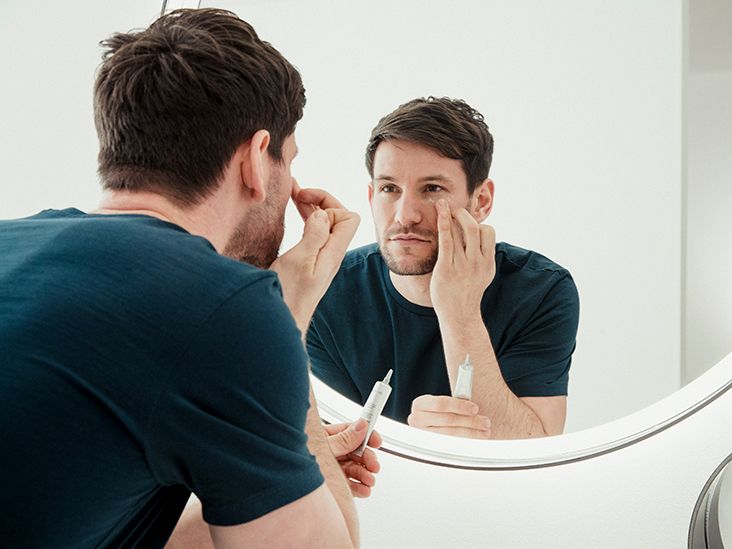
Wrinkles are proof that your face has been busy living: smiling, squinting, concentrating, laughing at terrible jokes, and occasionally wondering why skincare products have names longer than prescription medications. They are a normal part of aging, but that does not mean you cannot soften fine lines, prevent premature wrinkles, and help your skin look smoother at home.
The most effective home remedies for wrinkles are not mysterious kitchen potions. They are consistent habits supported by dermatology research: protecting your skin from ultraviolet radiation, moisturizing regularly, using carefully selected active ingredients, avoiding tobacco smoke, and treating your skin gently.
This guide explains what can realistically improve facial wrinkles, which popular DIY treatments are mostly hype, and how to create an affordable anti-aging skincare routine without turning your bathroom into a cosmetic chemistry laboratory.
Note: Wrinkles are usually harmless. This article provides general educational information and is not a substitute for personalized medical advice. Stop using any product that causes persistent burning, swelling, blistering, or severe irritation.
Can Home Remedies Really Get Rid of Wrinkles?
Home care can make fine lines less noticeable, improve hydration and texture, and slow the development of wrinkles caused by sun exposure. However, no cream, food, facial exercise, or homemade mask can permanently erase every wrinkle.
Fine lines caused partly by dehydration may appear softer within days of using a good moisturizer. Retinoids, vitamin C, and certain exfoliating acids may gradually improve signs of photoaging over several months. Deep folds caused by repeated muscle movement, major collagen loss, or changes in facial volume generally respond more dramatically to professional treatments such as prescription retinoids, chemical peels, lasers, injectable neuromodulators, or fillers.
That distinction matters. A moisturizer can plump the surface of the skin, but it cannot perform a facelift while you sleep. Any jar promising otherwise deserves the same skepticism you would give a toaster claiming it can file your taxes.
Evidence basis:
Why Wrinkles Form
As skin ages, it gradually becomes thinner, drier, and less elastic. Production of structural proteins such as collagen slows, while natural oils and moisture levels may decline. Facial expressions repeatedly fold the skin in familiar places, creating crow’s-feet, forehead lines, and creases around the mouth.
Genetics and time contribute to these changes, but environmental exposure can accelerate them. Ultraviolet light is a major cause of premature skin aging. UVA radiation penetrates more deeply into the skin and is strongly associated with long-term changes such as wrinkles, uneven pigmentation, and loss of elasticity. UVB radiation is better known for causing sunburn, although both types can damage skin.
Smoking also promotes premature wrinkling by damaging skin-supporting fibers and reducing healthy blood flow. Pollution, repeated tanning, harsh skincare, and chronic dryness may make aging skin appear rougher or more lined.
Evidence basis:
The Best Evidence-Based Home Remedies for Wrinkles
1. Wear Broad-Spectrum Sunscreen Every Day
If you purchase only one anti-aging product, make it sunscreen. Daily sun protection helps prevent additional collagen damage, discoloration, rough texture, and premature wrinkles. It also lowers your risk of sunburn and skin cancer, making it considerably more useful than a decorative bottle of “age-reversing moon serum.”
Choose a broad-spectrum, water-resistant sunscreen with an SPF of at least 30. Apply it to the face, ears, neck, upper chest, and other exposed areas. Use it on cloudy days and during winter because ultraviolet radiation does not take a seasonal vacation.
Reapply approximately every two hours when outdoors and after swimming or heavy sweating. Add a wide-brimmed hat, sunglasses, shade, and protective clothing when possible. Sunscreen works best as part of a complete sun-protection strategy rather than as permission to roast beside a pool for six hours.
Evidence basis:
2. Moisturize While Your Skin Is Slightly Damp
Moisturizer does not rebuild an entire youthful face, but it can trap water in the skin and temporarily plump its surface. This makes small lines look softer and helps support the skin barrier.
After cleansing, gently pat your face until it remains slightly damp, then apply a fragrance-free moisturizer. Useful ingredients include glycerin, hyaluronic acid, ceramides, petrolatum, squalane, and dimethicone. Creams are often better for dry or mature skin, while lighter lotions or gels may feel more comfortable on oily skin.
Do not assume that an expensive moisturizer is automatically superior. A simple product that your skin tolerates and that you apply consistently is more valuable than a luxury cream you use twice before hiding it behind the toothpaste.
Evidence basis:
3. Introduce Retinol Slowly
Retinoids are vitamin A derivatives and are among the most extensively studied topical ingredients for fine lines and photoaged skin. Prescription tretinoin has stronger evidence and greater potency, while over-the-counter retinol and retinal products are generally milder.
For home use, begin with a low-strength retinol product two nights per week. Apply a pea-sized amount to completely dry skin, avoiding the eyelids, corners of the nose, and lips. Increase the frequency gradually only if your skin remains comfortable.
Dryness, peeling, redness, and mild irritation are common when starting. Applying moisturizer before or after retinol may improve tolerance. Do not combine retinol immediately with several exfoliating acids, scrubs, and strong acne products. Attacking your face with every active ingredient at once does not produce faster results; it often produces a red face and regret.
Use sunscreen every morning because retinoids can increase sun sensitivity. Retinoids should not be used during pregnancy. People who are pregnant, trying to become pregnant, breastfeeding, managing rosacea, or treating another skin condition should consult a qualified healthcare professional before adding one.
Evidence basis:
4. Try a Well-Formulated Vitamin C Product
Topical vitamin C acts as an antioxidant and may help improve discoloration, fine lines, and signs of sun damage. It supports normal collagen formation, but its real-world performance depends heavily on the formula, concentration, stability, packaging, and regular use.
Apply vitamin C in the morning after cleansing and before moisturizer and sunscreen. New users may prefer a lower concentration or a gentler vitamin C derivative. Store the product according to its instructions, often away from heat and direct light. A serum that has turned very dark brown may have oxidized and may no longer perform as intended.
Vitamin C complements sunscreen; it does not replace it. Antioxidant serum without sun protection is a little like installing a smoke alarm while leaving a candle burning under the curtains.
Evidence basis:
5. Use Alpha Hydroxy Acids Carefully
Alpha hydroxy acids, or AHAs, include glycolic acid and lactic acid. They exfoliate the skin’s surface and may improve rough texture, uneven tone, and the appearance of fine lines. Lactic acid is often perceived as gentler, although individual reactions vary.
Start with a low-strength product once weekly. Do not apply it on the same night as retinol until you know that your skin tolerates both products. AHAs can increase sensitivity to sunlight, so daily sunscreen is essential during use and afterward.
More tingling does not mean more collagen. Persistent burning, swelling, or raw skin means the product should be rinsed off and discontinued.
Evidence basis:
6. Cleanse Gently Instead of Scrubbing Wrinkles
Wrinkles cannot be scrubbed away. Aggressive exfoliation, rough washcloths, cleansing brushes, strong soap, and very hot water can damage the skin barrier and make dryness and fine lines appear worse.
Use lukewarm water and a mild, fragrance-free cleanser. Wash with clean fingertips, rinse thoroughly, and pat rather than rub the skin dry. Most people need to cleanse at night and after heavy sweating. A morning rinse or gentle cleanse may be sufficient depending on skin type.
If a product repeatedly stings or burns, stop using it. Irritated skin often looks older, not younger.
Evidence basis:
7. Stop Smoking and Avoid Secondhand Smoke
Quitting smoking is one of the most meaningful steps you can take for your skin and overall health. Tobacco smoke contributes to collagen and elastin damage and is associated with premature lines and sagging.
Quitting will not instantly remove existing wrinkles, but it can reduce continued exposure and support better circulation and healing. People who need help quitting should ask a healthcare professional about counseling, medications, and evidence-based cessation programs.
Evidence basis:
8. Support Your Skin With Food, Water, Sleep, and Stress Control
A balanced eating pattern supplies protein, healthy fats, vitamins, minerals, and antioxidants needed for normal skin function. Build meals around vegetables, fruit, whole grains, legumes, nuts, seeds, fish, eggs, or other nutritious protein sources.
Drinking enough fluid supports general health and helps prevent dehydration, but gallons of water will not fill deep wrinkles from within. Hydration is important; it is not an injectable filler delivered through a reusable bottle.
Regular sleep and stress management may also support healthier habits and reduce the tired, dull appearance that makes lines seem more obvious. These practices should be viewed as supportive skincare, not miracle wrinkle erasers.
Evidence basis:
9. Wear Sunglasses and Reduce Unnecessary Squinting
Repeated facial movement contributes to expression lines. You should not stop smiling in a heroic attempt to remain wrinkle-free, but you can reduce avoidable squinting by wearing UV-protective sunglasses and correcting vision problems.
Large frames may also shade the delicate skin around the eyes. Apply sunscreen carefully around this area, choosing a formula that does not sting.
Popular Natural Wrinkle Remedies: What Should You Expect?
Aloe Vera
Aloe gel may feel soothing and provide light hydration, but evidence that household aloe permanently removes wrinkles is limited. Fragranced or colored gels may irritate sensitive skin. Patch-test any new product before applying it widely.
Coconut Oil
Coconut oil can reduce moisture loss for some people, which may temporarily make dry lines less visible. However, it can feel heavy and may contribute to clogged pores in acne-prone users. It does not replace sunscreen or a proven retinoid.
Honey
Honey acts as a humectant and may leave skin feeling softer after a short mask. That softness is not the same as rebuilding lost collagen. Anyone with allergies or highly reactive skin should be cautious.
Egg-White Masks
Egg white may create a temporary tightening sensation as it dries. The effect disappears after washing, and raw egg can introduce contamination. Your breakfast is better on toast than drying across your forehead.
Lemon Juice and Baking Soda
Skip both. Lemon juice is acidic, unpredictable, and potentially irritating, particularly when skin is exposed to sunlight. Baking soda is alkaline and may disrupt the skin barrier. Neither is a safe substitute for professionally formulated vitamin C or controlled exfoliating products.
Facial Massage and Face Yoga
Gentle massage can feel relaxing and may temporarily reduce puffiness. Evidence that facial exercises erase established wrinkles remains limited and inconsistent. Excessive pulling or rubbing can irritate skin, so use light pressure and enough moisturizer to prevent friction.
A Simple At-Home Anti-Wrinkle Routine
Morning Routine
- Cleanse gently or rinse with lukewarm water.
- Apply a vitamin C product if your skin tolerates it.
- Use a fragrance-free moisturizer.
- Apply broad-spectrum SPF 30 or higher.
- Add sunglasses, a hat, and protective clothing outdoors.
Evening Routine
- Remove makeup and sunscreen with a gentle cleanser.
- Apply a low-strength retinol two nights per week.
- Use moisturizer to support the skin barrier.
- On a separate night, use a mild AHA if needed and tolerated.
- Give the skin recovery nights with cleanser and moisturizer only.
Introduce one active product at a time and use it for several weeks before adding another. This makes it easier to identify which product helps and which one makes your face feel as if it has entered a small brush fire.
How Long Do Home Remedies Take to Work?
Moisturizer may soften the appearance of dehydration lines almost immediately, although the effect is temporary. Improvements from retinol, vitamin C, and AHAs are gradual and typically require consistent use over weeks or months.
Take a clear photograph in the same lighting before beginning a routine, then compare it after eight to twelve weeks. Daily mirror inspection is unreliable because changes are slow and because bathroom lighting has apparently signed a lifelong contract to be unkind.
Do not increase product strength simply because results are not immediate. Irritation can cause redness, flaking, inflammation, and darker marks, particularly in skin that is prone to hyperpigmentation.
When to See a Dermatologist
Consult a board-certified dermatologist when wrinkles appear unusually early, your skin changes rapidly, or over-the-counter products cause ongoing irritation. A professional evaluation is also useful when you have eczema, rosacea, severe acne, recurrent allergic reactions, or a history of skin cancer.
Seek medical attention for a spot that changes in color, shape, or size; a sore that does not heal; unexplained bleeding; or a new growth. These changes should not be dismissed as ordinary aging.
A dermatologist can also discuss stronger treatments when home care does not achieve the desired improvement. Options may include prescription tretinoin, chemical peels, microneedling, laser resurfacing, injectable treatments, or other procedures selected for your skin type and goals.
Evidence basis:
A Realistic 12-Week Experience With Home Wrinkle Care
The following is an illustrative composite experience based on common responses to a gentle skincare routine. It is not a personal testimonial or a guarantee of results.
Weeks 1 and 2: Simplifying the Bathroom Shelf
The first surprise is often how little a useful routine requires. A gentle cleanser, moisturizer, sunscreen, and one carefully chosen active ingredient may work better than a shelf crowded with ten competing serums.
During the first week, moisturizer usually creates the fastest visible change. Skin may look smoother after cleansing because it is no longer being stripped by harsh soap and steaming-hot water. Fine lines around the eyes can appear softer when dry skin is properly hydrated, although deeper creases remain.
Applying enough sunscreen may feel unfamiliar. Many people discover that the tiny dot they previously used was closer to a decorative garnish than a protective layer. Trying several textures can be worthwhile because the best sunscreen is the one that is comfortable enough to use every day.
Weeks 3 and 4: Meeting Retinol Without Starting a Feud
A low-strength retinol is introduced twice weekly. The first applications may seem uneventful, followed several days later by mild tightness or flaking. This delay can tempt users to apply more, which is exactly when restraint becomes useful.
Using only a pea-sized amount, applying it to dry skin, and following with moisturizer usually makes the adjustment easier. One evening of aggressive exfoliation can undo several calm days, so scrubs and strong acids remain temporarily off the schedule.
At this stage, there may be no dramatic wrinkle reduction. The routine is building consistency rather than producing an overnight transformation. The face still looks like the same face, which is reassuring because “unexpected new face by Thursday” is not a sensible skincare objective.
Weeks 5 Through 8: Small Changes Become Noticeable
By the second month, skin texture may begin to feel more even. Makeup can settle less noticeably into dry patches, and the complexion may look brighter. Moisturizer continues to provide the most obvious daily plumping effect, while sunscreen prevents fresh UV exposure from undermining the routine.
A vitamin C serum may be added in the morning if the skin is calm. Introducing it on alternating days helps identify irritation. Some users notice improved brightness before they notice changes in wrinkles.
The most important experience during this period is learning that healthy skin does not need to sting. A product that causes persistent burning is not “working extra hard.” It is irritating the skin and should be reduced or discontinued.
Weeks 9 Through 12: Evaluating Results Honestly
After approximately three months, photographs taken in consistent lighting may show modest improvements in fine texture, hydration, and superficial lines. Deep forehead creases and established smile lines are likely still present, though their edges may appear slightly softer.
The routine also creates less visible benefits. Daily sunscreen reduces future UV damage. Smoking cessation, better sleep, and gentler cleansing support general health and help prevent avoidable skin stress. These changes are valuable even when they do not generate a dramatic social-media transformation.
Some people decide that the improvement is enough and continue the routine. Others consult a dermatologist about prescription products or procedures. Neither decision represents failure. Home care and professional treatment address different degrees and causes of wrinkling.
The lasting lesson is that consistency beats novelty. Using sunscreen and moisturizer every day is more effective than performing an elaborate avocado-oatmeal-honey ritual once, taking seventeen photographs, and forgetting about skincare until next month.
Conclusion
You cannot completely stop natural skin aging, and you do not need to declare war on every line that appears. However, you can reduce premature wrinkles and improve the appearance of fine lines with practical home care.
Start with broad-spectrum sunscreen, gentle cleansing, and daily moisturizer. Add retinol, vitamin C, or an AHA gradually according to your skin’s needs and tolerance. Avoid smoking, tanning beds, harsh scrubs, lemon juice, and other irritating DIY experiments.
Give the routine time to work, judge progress using realistic photographs, and seek professional advice for persistent irritation, unusual skin changes, or deeper wrinkles that do not respond to home treatment. The goal is not to look permanently 19. It is to help your skin remain healthy, comfortable, and well protected at every age.